Year: 2026
-
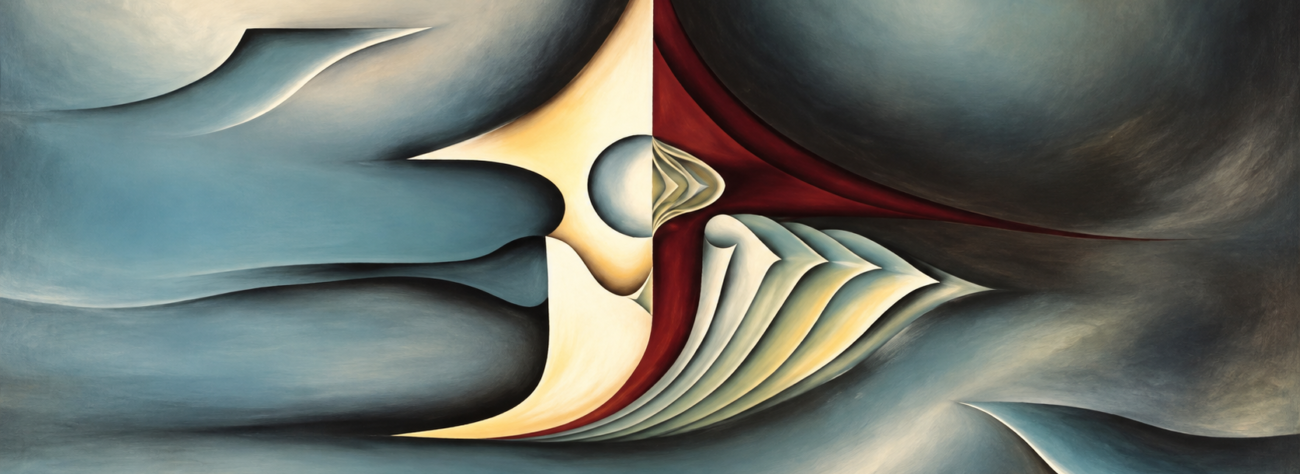
How the Word Becomes Flesh: Metaphor, Metonymy, and the Absorption of Ideology
Why do beliefs and ideologies so easily defeat critical thinking? Because they were never arguments. Ideology is a play with identities: a metaphor loses its “like,” a shared feature becomes an identity, and language supplies the rest without our noticing. With Lacan on metaphor and metonymy, Livy’s fable of the belly, and Adorno’s identity thinking, this essay shows how nations…
-
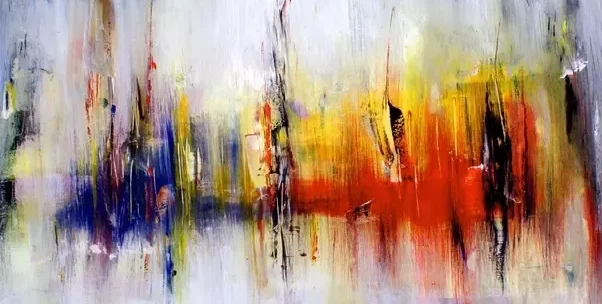
On Loss, Resentment, and the Question of Forgiveness
Why does the injured psyche choose the heat of resentment over the emptiness of grief? Drawing on André Green’s “dead mother” and Robert Karen’s work on forgiveness, this essay traces how unmourned childhood loss becomes the architecture of adult bitterness—and why to blame a parent is still to have one. Forgiveness, it argues, is not only a virtue, but a…
-
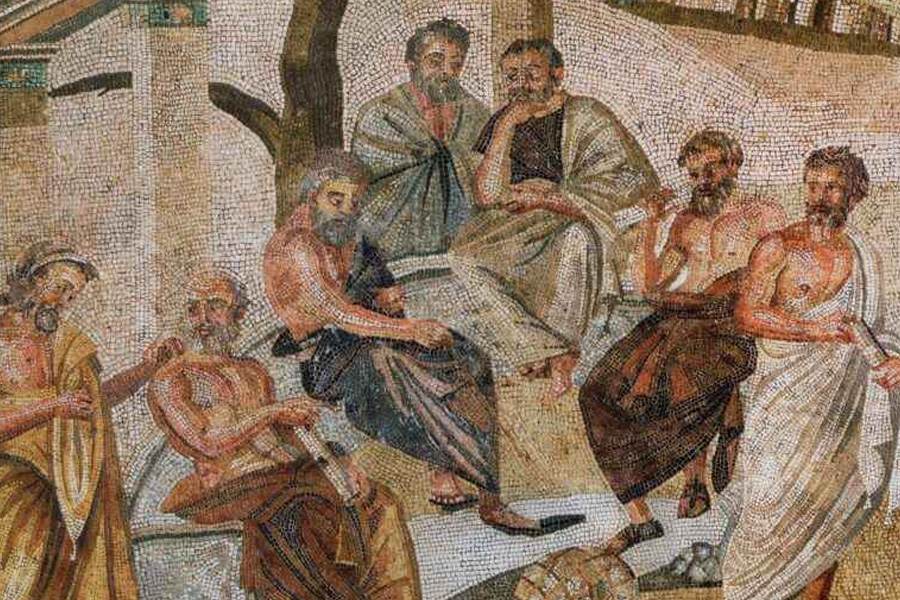
Who Is He? — Rereading Plato’s Gorgias.
Sophistry is speech between two: whoever prevails is right. Philosophy introduces a third term—truth, justice, the Good—that neither speaker controls, and before which both must answer. Plato’s Gorgias stages this difference through Gorgias, Polus, and Callicles. Its diagnosis reaches our own moment, where algorithms, polling, and AI have perfected persuasion by quietly removing the third from public speech.
-

Elegie, after the Genjō Kōan
No one hears us now. Good. Praise was always a way of not looking. The boat moves. We say the shore moves. From this one mistake a self is built. Look at the water: nothing on board was ever still. Firewood does not become ash. We do not say winter becomes spring. My mother is not behind me. Her death…
-

The Pulse and the Arrow: Recovering Rhythm in a Linear World
Modern civilization suffers from temporal vertigo. The simultaneity in a global civilization does not know day and night. We live under the sun yet follow the clock, trapped in a “metronomic society,” governed by linear, mechanical time rather than biological and cosmic rhythms. This essay examines the ancient tension between cyclical and linear dimensions of existence, exploring the resulting alienation…
-
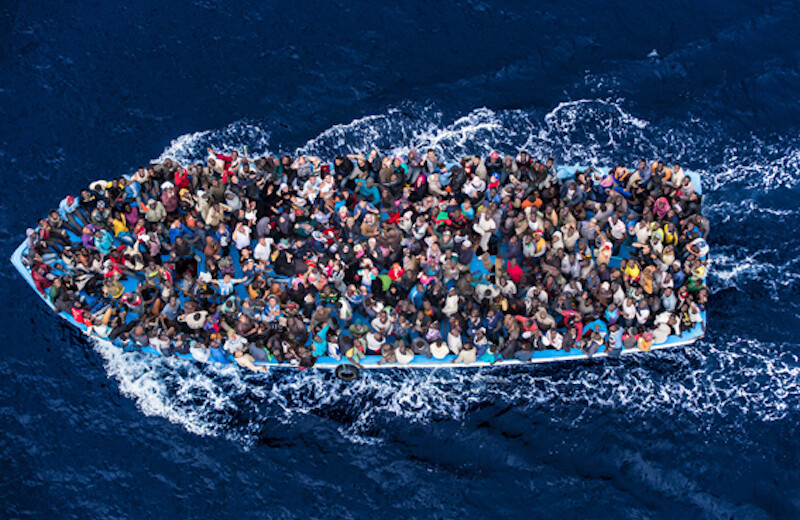
The Law of the Heart and the Law of Nations
From the theological roots of Imago Dei to today’s International Court of Justice, this essay traces human rights as the struggle to protect the person from being reduced to an object. As a new age of global power politics threatens the liberal international order, the defense of human dignity requires not only law but literature, and the steadfast recognition of…